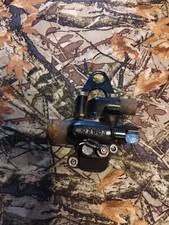
Kia/Hyundai/Genesis V2L Charger Connector (916B1-CV020HA)
Updated June 23, 2026
The 916B1-CV020HA is a genuine OEM Vehicle-to-Load (V2L) adapter designed for select Kia, Hyundai, and Genesis electric vehicles. This compact connector plugs into the vehicle’s charging port and converts the high-voltage battery into a standard household power outlet, allowing you to run electronics, charge devices, or power small appliances directly from your EV.
AI-generated content
How the V2L Adapter Works
The V2L adapter taps into the EV’s onboard inverter to draw DC power from the traction battery and convert it to 120V AC (standard North American household current). Simply plug the adapter into the vehicle’s J1772 or CCS charging inlet, and the opposite end provides a standard three-prong outlet. The system automatically manages power draw, typically delivering up to 1.9 kW (about 16 amps) — enough to run a mini fridge, charge laptops, or power camping gear. The adapter is passive; the vehicle’s electronics handle all voltage regulation and safety monitoring.
Compatible Vehicles
This V2L connector is designed for the Hyundai Motor Group’s E-GMP platform and related models. Confirmed fitments include Kia EV6 (2022–2025), Kia Niro EV (2019–2025), Kia EV4 (2025), Hyundai Ioniq 5 (2022–2025), Hyundai Ioniq 6 (2023–2025), and Genesis GV60 (2023–2025). It is also compatible with the Hyundai Kona Electric (2024+) and Genesis Electrified GV70/G80 when equipped with the V2L feature. Always verify your vehicle’s V2L capability — some trims may require a software update or optional equipment.
Installation and Usage Notes
No tools or wiring are required. The adapter plugs directly into the vehicle’s charging port — the same port used for Level 1/2 AC charging. To use, ensure the vehicle is powered on (or in utility mode) and the charging port door is open. Insert the adapter fully; a green LED on the adapter (if present) indicates active power delivery. The adapter is weather-resistant but should not be submerged. A storage case is included with most OEM units to protect the connector when not in use. Do not exceed the continuous power rating — check your owner’s manual for specific limits.